
Gym Leggings: How to Choose the Perfect Pair for Comfort, Support and Better Workouts

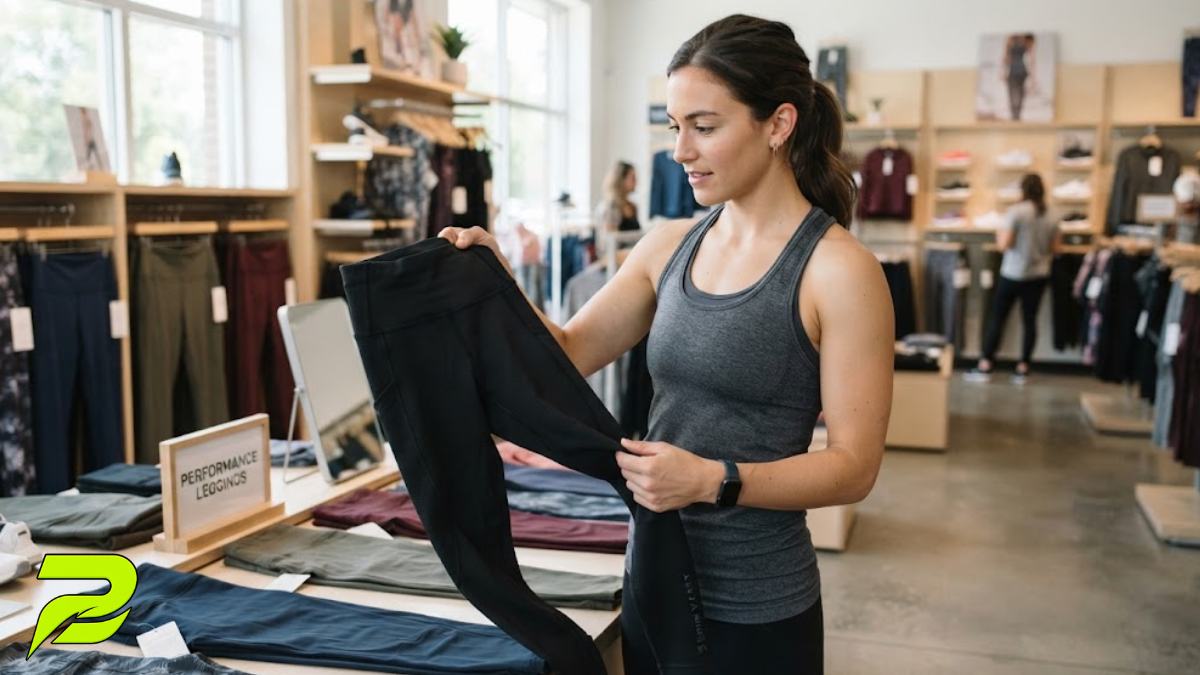
Finding the right gym leggings can make a surprisingly big difference to how comfortable and confident you feel during a workout. A pair that fits properly should move with your body, stay in place when you squat or run, handle sweat well and give you enough support without feeling restrictive.
The problem is that not every pair performs the same way. Some leggings look brilliant online but roll down at the waist after ten minutes on the treadmill. Others feel comfortable at first but become see-through when stretched. Then there are questions around compression, fabric thickness, pockets, waist height and whether expensive options are genuinely worth paying for.
This guide breaks down everything you need to know about choosing gym leggings, from materials and fit to workout type, sizing and care. Whether you train several times a week or you are buying your first proper pair, these practical tips will help you choose leggings that actually work for you.
Key Takeaways
- Choose breathable, sweat-wicking fabrics for demanding workouts.
- High-waisted designs generally offer better coverage and support.
- Always check whether leggings remain opaque when stretched.
- Match the fabric and compression level to your preferred workout.
- Look for flat seams if rubbing and irritation are a problem.
- Pockets can be genuinely useful for phones, keys and cards.
- Proper washing helps activewear retain its stretch and shape.
- The most expensive pair is not automatically the best pair.
What Makes Good Gym Leggings?
Good gym leggings should combine comfort, flexibility, durability and practical performance. They need to stretch as your body moves while recovering their shape afterwards. If the material becomes loose around the knees or waist after only a few sessions, it is unlikely to provide good long-term value.
Fit matters just as much as fabric. Leggings should feel secure without digging painfully into your stomach or restricting your movement. When you bend, squat or perform lunges, you should not need to constantly pull the waistband back into position.
Another important factor is moisture management. During a hard session, your body produces heat and sweat. Quality activewear uses technical fabrics designed to move moisture away from the skin, helping you remain more comfortable.
Choosing the Right Fabric
Fabric can determine whether leggings feel brilliant or unbearable once your workout gets intense.
Nylon and Polyamide
Nylon, sometimes listed as polyamide, is widely used in performance activewear because it feels smooth, stretches well and generally handles moisture effectively. It can work particularly well for strength training, running and gym classes.
Many premium gym leggings combine nylon with elastane to create a stretchy but supportive finish. This combination can also give the fabric a softer feel than basic polyester activewear.
Polyester
Polyester is another popular option. It is durable, relatively quick-drying and usually more affordable. It can perform extremely well during high-intensity exercise, although the exact comfort level depends heavily on the quality of the fabric.
If you sweat heavily during workouts, look for polyester leggings specifically described as moisture-wicking rather than choosing based on appearance alone.
Elastane
Elastane, also known as spandex or Lycra in some products, provides stretch. It is normally blended with nylon or polyester rather than used alone.
A higher elastane content can improve flexibility, although more stretch does not automatically mean more support. The construction of the waistband and fabric density are just as important.
Cotton
Cotton leggings can feel soft and comfortable for everyday wear, stretching or gentle yoga. They are usually less suitable for demanding training because cotton absorbs moisture rather than efficiently moving it away from the body.
For a sweaty spin class or lengthy cardio session, technical synthetic fabrics will generally be more practical.
Why Waist Height Matters
The waistband is one of the first areas to consider when shopping for gym leggings.
High-Waisted Leggings
High-waisted designs are extremely popular because they provide additional coverage and can create a secure feeling around the midsection. They are particularly useful for exercises involving bending, squatting and jumping.
A properly designed high waistband should remain relatively stable during movement rather than folding or rolling down.
Mid-Rise Leggings
Mid-rise leggings sit lower on the torso and can be comfortable if you dislike compression around your stomach. They may work well for walking, light gym sessions or everyday athleisure wear.
The main consideration is whether the waistband remains in place once you begin moving.
Understanding Compression
Compression refers to how tightly the fabric fits against your body.
Light-compression gym leggings usually feel softer and more flexible, making them suitable for yoga, Pilates, mobility work and casual training. Medium compression can provide a useful balance between movement and support.
Firm compression is often preferred for intense workouts because the leggings can feel more secure. However, excessively tight leggings may restrict movement or become uncomfortable during longer sessions.
The right choice depends on personal preference rather than a universal rule. Some people enjoy a firmly supported feeling, while others train better in softer fabrics.
Choosing Leggings for Different Workouts
Different forms of exercise place different demands on your clothing.
Strength Training
For squats, deadlifts and resistance exercises, choose gym leggings made from durable, opaque fabric with plenty of stretch.
The waistband should remain secure during repeated bending movements. Seam placement also matters because poorly positioned seams can become uncomfortable when using benches or machines.
Running and Cardio
Running leggings should feel lightweight, breathable and secure. Excess fabric can become distracting, while a loose waistband may require constant adjustment.
Pockets are particularly useful for runners who want somewhere secure for a phone, key or bank card.
Reflective details can also be worthwhile if you regularly run outdoors during darker UK mornings or evenings.
Yoga and Pilates
For yoga, flexibility and softness are usually more important than firm compression. Look for leggings that allow unrestricted hip and leg movement without digging into your waist.
Seamless or minimal-seam construction can also make floor-based exercises more comfortable.
HIIT and Gym Classes
High-intensity interval training involves rapid movement, jumping and repeated changes of direction. Your leggings need to stay firmly in position.
A secure waistband, supportive fabric and effective sweat management should take priority over purely decorative features.
The Importance of Squat-Proof Fabric
One of the most common concerns when buying gym leggings is whether the material becomes transparent when stretched.
Leggings that appear completely opaque while standing may become noticeably thinner during squats or lunges. This is sometimes called the “squat test”.
Before wearing a new pair to the gym, test them at home in bright natural light. Stand in front of a mirror, bend or squat and check whether underwear becomes visible through the fabric.
You should also make sure the leggings are the correct size. Material that is overstretched because the size is too small is more likely to become transparent.
How Gym Leggings Should Fit
A good pair should feel close to the body without causing pain, numbness or excessive pressure.
Check the waistband first. It should sit firmly against your body without creating uncomfortable digging. Then walk around, sit down and perform a few squats.
Your gym leggings should not require constant pulling or adjustment. Material gathering heavily behind the knees or around the crotch may indicate that the size or cut is wrong.
Remember that activewear sizing can vary considerably between brands. Do not assume that your usual clothing size will fit perfectly in every range.
Seamless vs Seamed Leggings
Seamless leggings use knitting techniques designed to reduce the number of traditional seams. Many people prefer them because they can feel soft and flexible against the body.
They are particularly popular for general gym training and yoga.
Traditional seamed leggings should not automatically be considered inferior. Strategically positioned seams can provide structure and support. Flatlock seams are particularly useful because they are designed to reduce rubbing against the skin.
If you regularly experience chafing during longer workouts, seam construction is worth paying close attention to.
Useful Features Worth Looking For
Small design features can make gym leggings significantly more practical.
Side pockets are one of the most useful additions, particularly if you carry a smartphone while training. A secure zipped pocket can be even better for keys or small valuables.
Some leggings include drawstrings inside the waistband. These can help prevent slipping during running or high-impact activity.
Ankle length matters too. Full-length leggings provide greater coverage during colder months, while cropped styles can feel cooler during summer training.
Are Expensive Gym Leggings Worth It?
Premium leggings can offer better fabrics, stronger stitching, more thoughtful construction and improved durability. That does not mean you need to spend a fortune.
Plenty of affordable gym leggings perform well if the fabric, waistband and construction are suitable for your workout.
Instead of shopping purely by brand or price, consider cost per wear. A £60 pair that remains comfortable after two years of frequent use may represent better value than a £15 pair that loses its elasticity after several months.
Reviews can also help, particularly comments discussing transparency, sizing and waistband movement.
How Many Pairs Do You Need?
There is no perfect number, but your training frequency provides a useful starting point.
If you train two or three times a week and wash activewear regularly, three or four pairs may be enough. Someone exercising most days might prefer five to seven pairs so laundry does not become a constant problem.
Having slightly different gym leggings for different activities can also be useful. You might prefer firm compression for running but softer leggings for stretching or yoga.
How to Wash Gym Leggings Properly
Activewear needs slightly different care from ordinary clothes if you want it to last.
Check the manufacturer’s washing instructions first. In general, cooler washing temperatures are kinder to stretchy technical fabrics than excessive heat.
Turn leggings inside out before washing and avoid overusing fabric conditioner. Some conditioners can coat synthetic fibres and reduce their moisture-wicking performance.
Air drying is usually the safest approach. High tumble-dryer temperatures can gradually damage elastane, making leggings lose stretch and shape.
Keeping your gym leggings away from rough Velcro straps or abrasive fabrics during washing can also help prevent snagging.
Choosing Colours and Styles
Black remains popular for obvious reasons: it is versatile, easy to match and often more forgiving when it comes to sweat marks.
That does not mean you need to avoid colour. Navy, charcoal, burgundy, olive and brighter shades can make gym outfits more interesting.
Patterns can also be practical because they may make sweat less noticeable than certain plain colours.
Ultimately, choose something you genuinely feel comfortable wearing. Confidence matters when you are training, and there is little benefit in buying a fashionable style that leaves you constantly worrying about how you look.
Common Mistakes When Buying Gym Leggings
Buying leggings solely because they look good is probably the biggest mistake. Gym clothing needs to perform once you start moving.
Another common problem is choosing a smaller size in the hope of creating more compression. This can overstretch the fabric, make it transparent and create an uncomfortable waistband.
Ignoring return policies can also cause problems when buying online. Ideally, try your leggings on carefully at home and perform basic movements before removing tags.
Finally, do not assume every pair of gym leggings is designed for every workout. Lightweight yoga leggings and supportive running tights serve different purposes.
Conclusion
The best gym leggings are the ones you can almost forget you are wearing once your workout begins. They should move naturally with your body, remain secure at the waist, provide appropriate coverage and cope with the demands of your preferred exercise.
Pay attention to fabric, compression, waistband construction, opacity and seam placement rather than simply choosing the most fashionable brand. A pair that suits your body shape and training style will usually feel better and last longer.
Whether you are lifting weights, running through the local park, attending a Pilates class or completing a quick lunchtime gym session, the right leggings can make training noticeably more comfortable.
Frequently Asked Questions
What are the best gym leggings for working out?
The best gym leggings are breathable, squat-proof, stretchy and secure around the waist. Choose the compression and fabric weight according to whether you are lifting, running, doing HIIT or practising yoga.
Should gym leggings be tight?
Yes, they should fit closely without feeling painfully restrictive. If they dig into your waist, restrict movement or become transparent when stretched, try a different size or style.
Are high-waisted gym leggings better?
High-waisted leggings are often better for support and coverage during squats, running and high-intensity workouts. However, comfort depends on your body shape and personal preference.
How can I tell if leggings are squat-proof?
Perform several deep squats in bright natural light and check the fabric in a mirror. If your underwear or skin becomes clearly visible through the stretched material, the leggings are not sufficiently opaque.
How often should I wash gym leggings?
Wash them after each sweaty workout to prevent odour and bacteria build-up. Follow the care label, use a cooler wash where recommended and air dry them whenever possible to protect the stretch fibres.
