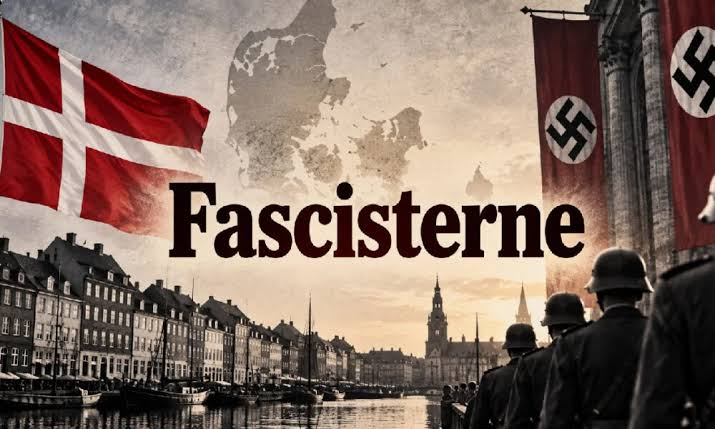
The word Fascisterne is Danish and means “the fascists.” It refers to people or political groups that support fascism. Fascism is a political ideology linked with extreme nationalism, strong authoritarian rule, and rejection of liberal democracy. The term is strongly connected with European history, especially the political movements that grew after World War I. Understanding this subject requires careful attention to history and context. Fascist movements were not exactly the same in every country. However, many shared ideas about national power, political control, military strength, and obedience to a powerful leader. The history of fascism also shows how political fear and social instability can affect democratic societies. Studying fascisterne helps readers understand one of the most important political movements of the twentieth century. It also provides useful lessons about propaganda, political violence, nationalism, and the dangers of authoritarian government.
What Is Fascism?
Fascism is an authoritarian political ideology that places the nation above individual political freedoms. Fascist movements usually promote intense nationalism and strong central leadership. They often reject political pluralism and democratic opposition. In many cases, fascist governments have used propaganda to build public support. They have also restricted newspapers, political parties, and public criticism. Fascism developed in Europe during a period of major economic and social change. World War I left many countries with serious political and economic problems. These conditions created opportunities for radical political movements. Italian Fascism became one of the earliest major examples. Benito Mussolini built a powerful fascist movement in Italy during the early twentieth century. Later, Adolf Hitler and the Nazi movement developed their own form of fascist politics in Germany. Although these movements differed, their authoritarian and ultranationalist features made them historically important examples of fascism.
The Origins of Fascist Movements
Modern fascism emerged mainly in Europe after World War I. The war caused enormous destruction and created political instability across the continent. Many people faced unemployment, inflation, poverty, and social uncertainty. Some political groups promised simple solutions to these complex problems. Fascist movements often presented themselves as defenders of national unity and order. They blamed political opponents and minority groups for national problems. This approach helped radical movements attract followers during periods of fear. The rise of fascisterne cannot be explained by one cause alone. Economic problems mattered, but political conflict and social divisions were also important. Fear of communism influenced some people who supported authoritarian movements. Weak democratic institutions also made certain countries more vulnerable. Studying these origins shows why stable institutions, free elections, and responsible political leadership matter during difficult times.
Fascisterne and Extreme Nationalism
Nationalism was a major part of fascist ideology. Fascist movements often argued that the nation had to become stronger and more united. Individual interests were presented as less important than national goals. This form of nationalism was often much more extreme than ordinary national pride. Fascist leaders could use national symbols, historical stories, military ceremonies, and public rallies to create emotional unity. The idea of a national enemy was also common. Political opponents, ethnic groups, immigrants, or other communities could be presented as threats. This created an “us versus them” mindset. In historical examples of fascisterne, such ideas helped leaders gain political support and justify harsh policies. It is important to distinguish normal patriotism from fascist nationalism. Patriotism can exist within democratic societies. Fascist nationalism generally demands political conformity and places national power above individual rights and democratic disagreement.
Authoritarian Leadership and Political Control
Strong leadership is another important feature associated with fascism. Fascist movements often presented their leader as a symbol of national strength. Political institutions were weakened when leaders gained greater control over government. Opposition parties could be banned or heavily restricted. Independent newspapers and organizations could also face censorship. In fascist systems, public disagreement was often treated as disloyalty. This reduced political freedom and made peaceful opposition difficult. The history of fascisterne demonstrates how political power can become concentrated when democratic safeguards fail. Courts, legislatures, media organizations, and civil society groups can all play important roles in protecting democracy. When these institutions become weak, authoritarian leaders can gain more influence. Understanding this process is useful today because democratic systems depend on checks and balances. Political power becomes dangerous when citizens cannot freely question leaders or peacefully organize against government decisions.
Propaganda and Mass Communication
Propaganda played a major role in many fascist movements. Leaders used newspapers, posters, speeches, radio, films, and public events to influence public opinion. Propaganda often repeated simple messages until they became familiar to audiences. It could present the leader as heroic and the nation as under threat. Political opponents were often described as enemies or traitors. This emotional approach reduced complex political questions to simple slogans. Fascist governments also attempted to control information available to ordinary citizens. Studying fascisterne therefore provides an important lesson about media literacy. People should examine who created a political message and why it was created. They should also compare claims with reliable evidence. Modern technology has changed communication, but the basic lesson remains useful. False claims, emotional messaging, and political manipulation can spread quickly when people do not carefully evaluate their information.
Fascist Violence and Suppression
Violence was an important tool used by several historical fascist movements. Political opponents could be threatened, attacked, imprisoned, or killed. Independent organizations were sometimes destroyed or forced to close. Fascist governments also created systems of surveillance and punishment. In Nazi Germany, political repression became connected with racial persecution and mass murder. The Holocaust was one of the most horrific crimes committed under the Nazi regime. Millions of Jewish people were murdered, along with Roma people, disabled people, prisoners of war, political opponents, and other targeted groups. The historical record surrounding fascisterne therefore includes severe human suffering. Learning about this history is not simply an academic exercise. It helps people understand the consequences of political hatred and unchecked state power. Remembering victims and studying reliable historical evidence can help societies recognize dangerous patterns before they become widespread.
Fascism and Democracy
Fascism is fundamentally opposed to important principles of liberal democracy. Democratic systems depend on competitive elections, political rights, free expression, and peaceful transfers of power. Fascist movements have generally rejected these principles when they gain political control. They often argue that national unity requires obedience instead of political disagreement. This makes independent political participation difficult. The experience of fascisterne shows why democracy requires more than voting alone. Courts, free media, civil society organizations, and constitutional protections are also important. Citizens need the ability to criticize government decisions without fear. Political parties must be able to compete fairly. Minorities must also have legal protections. When these safeguards disappear, elections may no longer provide meaningful political choice. Studying fascism therefore helps explain why democratic institutions need constant protection. Healthy democracies allow disagreement while maintaining peaceful rules for resolving political conflicts.
Fascisterne During World War II
The history of fascisterne is closely connected with World War II. Fascist and fascist-aligned governments played major roles in the conflict. Nazi Germany became the central example of an aggressive authoritarian regime. Mussolini’s Italy was also a major Axis power. Fascist ideology supported expansion, militarism, and strong national power. Nazi Germany invaded numerous European countries and carried out systematic persecution and genocide. World War II caused enormous destruction across Europe and beyond. Millions of military personnel and civilians died during the conflict. The war ended in 1945 with the defeat of the Axis powers. Afterward, European countries faced the difficult task of rebuilding political institutions and societies. International efforts also focused on preventing similar crimes. The war remains a major reason why fascism is studied in history, politics, education, and human rights discussions.
The Difference Between Fascism and Nazism
Fascism and Nazism are closely related but should not always be treated as identical terms. Italian Fascism developed under Benito Mussolini, while Nazism developed under Adolf Hitler and the German National Socialist movement. Both promoted authoritarian leadership, extreme nationalism, militarism, and suppression of political opposition. However, Nazi ideology placed an especially strong emphasis on racial hierarchy and antisemitism. The Nazi state used these beliefs to justify systematic persecution and genocide. Italian Fascism also became increasingly racist and antisemitic, especially during its alliance with Nazi Germany. Understanding these differences makes historical discussions more accurate. When discussing fascisterne, it is useful to identify the specific country, movement, and period being examined. This avoids treating every authoritarian movement as exactly the same. Historical context matters because political ideologies can change when they move between countries and different social conditions.
Why People Supported Fascist Movements
Understanding why people supported fascist movements is important for studying history. Supporters did not all have identical reasons. Some wanted economic stability after periods of crisis. Others feared communism or political revolution. Some believed authoritarian leaders could restore national pride. Political propaganda also influenced public opinion. Social pressure could encourage people to support the dominant movement. In other cases, individuals supported fascist governments because they expected personal or economic benefits. The rise of fascisterne shows that political extremism can grow through a combination of social, economic, and political conditions. It is too simple to blame one factor. Historical research instead examines many causes at the same time. This approach helps readers understand how democratic societies can become vulnerable during periods of instability. It also shows why economic security, trustworthy institutions, education, and political participation can support democratic resilience.
Fascisterne and the Legacy of Fascism
The legacy of fascisterne remains visible in modern discussions about authoritarianism, nationalism, and political extremism. After World War II, many European countries rejected fascist political systems. New democratic institutions were created or strengthened. Human rights protections also became more important in international law. The crimes of Nazi Germany had a major influence on these developments. Today, historians continue to study fascism to understand how authoritarian movements gain power. Political scientists also examine the warning signs associated with democratic decline. These include attacks on independent institutions, political violence, extreme propaganda, and attempts to eliminate peaceful opposition. However, the word “fascist” is sometimes used too loosely in modern political debates. Accurate historical use requires evidence and context. Calling every political opponent fascist can make serious discussion harder. A careful approach separates genuine historical characteristics from ordinary political disagreement.
How to Study Fascism Responsibly
Learning about fascisterne requires reliable historical sources and careful comparison. Students should avoid relying on political memes or short social media posts alone. Academic books, museums, universities, archives, and respected historical institutions provide stronger evidence. Primary sources can also be useful when researchers understand their original context. A political speech, government document, newspaper, or photograph can reveal how people understood events at the time. However, propaganda should not automatically be treated as factual evidence. Researchers must examine its purpose and intended audience. It is also useful to compare sources from different perspectives. This approach helps reduce bias and creates a clearer picture of historical events. Responsible historical study should focus on evidence rather than political slogans. It should also remember the experiences of victims and affected communities. Understanding history carefully helps people learn from the past without turning historical subjects into simple political labels.
Key Facts About Fascisterne
| Topic | Key Detail |
| Meaning | Danish term meaning “the fascists” |
| Main ideology | Fascism |
| Core feature | Authoritarian political control |
| Major theme | Extreme nationalism |
| Historical period | Mainly early to mid-20th century |
| Major example | Italian Fascism |
| Another major example | German Nazism |
| Political approach | One-party or highly controlled government |
| Common methods | Propaganda, censorship, repression |
| Opposition | Often suppressed or eliminated |
| Military role | Militarism was important in several movements |
| Historical impact | War, persecution, dictatorship, and mass violence |
| Democratic relationship | Generally opposed liberal democratic pluralism |
| Modern relevance | Studied in relation to authoritarianism and extremism |
Frequently Asked Questions About Fascisterne
What does fascisterne mean?
Fascisterne is a Danish word that means “the fascists.” It refers to people or groups associated with fascist political beliefs. Fascism is generally linked with authoritarian government, extreme nationalism, political repression, and strong centralized leadership. The exact meaning depends on historical context.
Where did fascism begin?
Modern fascism developed in Europe after World War I. Italy became an important early example under Benito Mussolini. Other countries later developed movements with related authoritarian and nationalist characteristics. Each movement had its own political and social context.
Were fascism and Nazism the same?
They were closely related but not completely identical. Both promoted authoritarian rule and extreme nationalism. Nazism also placed racial ideology and antisemitism at the center of its political program. This difference is important when studying twentieth-century European history.
Why did fascist movements gain support?
Several factors contributed to their growth. These included economic problems, political instability, fear of revolution, social conflict, nationalism, and effective propaganda. Different people supported these movements for different reasons. There was no single explanation for their popularity.
How did fascist governments control people?
They used several methods. These included censorship, propaganda, political violence, surveillance, imprisonment, and restrictions on opposition groups. Some regimes also controlled education and mass media. These methods helped leaders reduce political competition and public criticism.
Why is fascism still studied today?
Fascism remains important because it provides lessons about authoritarianism, propaganda, political violence, and democratic institutions. Studying fascisterne can help people understand how political systems change during crises. It can also encourage stronger historical awareness and critical thinking.
Conclusion
The history of fascisterne provides important lessons about political power, nationalism, propaganda, and authoritarian government. Fascist movements developed during periods of serious instability and used fear, political messaging, and promises of national strength to gain support. Their rise eventually produced dictatorship, war, persecution, and enormous human suffering. Understanding this history requires more than memorizing names and dates. Readers should examine the social conditions that allowed these movements to grow. They should also understand how democratic institutions can protect individual rights. The story of fascism remains relevant because political freedom depends on active participation and informed citizens. Reliable historical research can help separate facts from political exaggeration. By studying the past carefully, people can better understand the dangers of unchecked political power. They can also appreciate the value of democracy, human rights, free expression, and peaceful political disagreement.