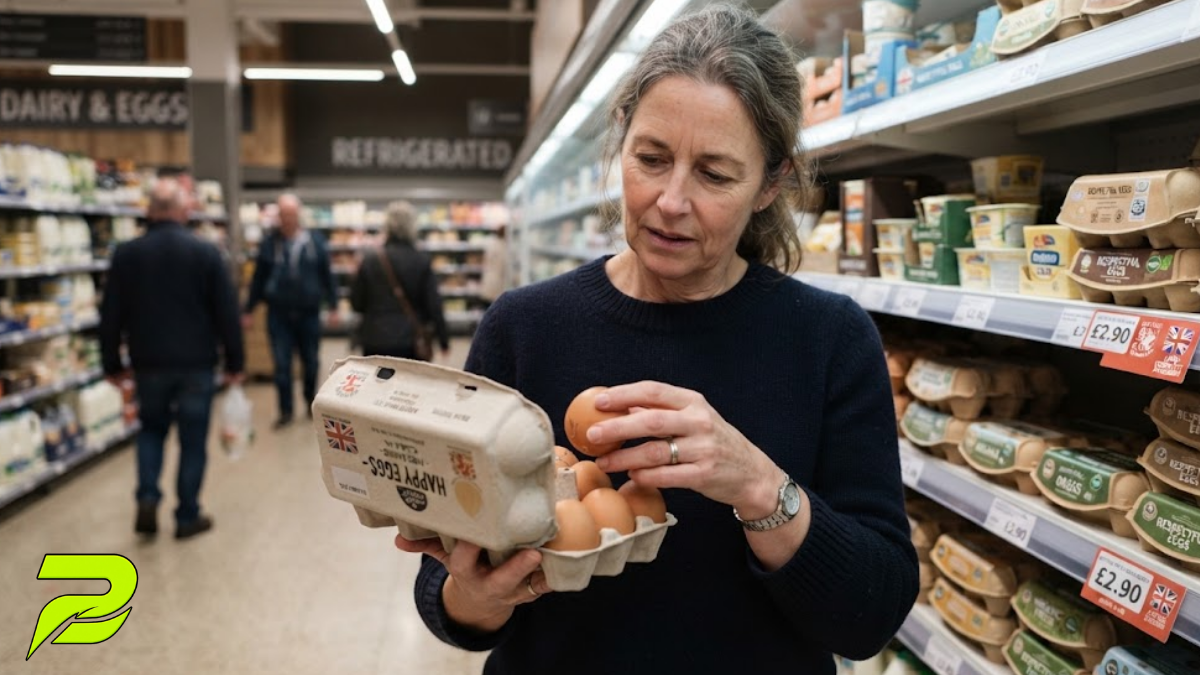
Eggs are a staple in British kitchens, from a quick fry-up to cakes, mayonnaise and runny poached eggs. That is why headlines about UK egg Salmonella cases can feel alarming. The latest official data, however, are more specific than the headlines: Salmonella remains an important food-safety issue, but the strongest recent egg-linked outbreak evidence concerned imported eggs rather than all eggs sold in Britain.
This guide explains the latest figures, what they mean for shoppers, why eggs can carry Salmonella, the symptoms to watch for and how to reduce your risk at home.
Key Takeaways
- UKHSA recorded 10,406 laboratory reports of non-typhoidal Salmonella in England in 2025, the highest annual total in a decade.
- A national 2025 Salmonella Enteritidis outbreak strongly linked to imported eggs involved 122 confirmed cases, 12 reported hospital admissions and no reported deaths.
- A smaller outbreak involved 25 confirmed cases and had a weaker association with shelled eggs and imported poultry.
- Provisional data show 2,020 Salmonella laboratory reports in England in the first quarter of 2026, but those cases were not all linked to eggs.
- Good hand hygiene, careful food handling and appropriate cooking remain the simplest ways to reduce risk.
What Do the Latest UK Egg Salmonella Cases Show?
When people search for UK egg Salmonella cases, it is easy to assume every rise in Salmonella infections has been caused by eggs. Official surveillance does not support that conclusion.
UKHSA recorded 10,406 laboratory reports of non-typhoidal Salmonella in England during 2025, compared with 10,389 in 2024. Salmonella can be caught from several sources, including contaminated poultry, meat, eggs, fruit, vegetables and unpasteurised milk products, as well as through cross-contamination or close contact with an infected person.
For UK egg Salmonella cases specifically, the most important 2025 finding was a national outbreak of Salmonella Enteritidis strongly linked to imported eggs. It involved 122 confirmed cases in England; 12 people were reported as hospitalised and no deaths were reported. A separate outbreak involving 25 confirmed cases had a weaker link to shelled eggs and imported poultry.
The important point is that these figures do not mean 122 infections came from British-produced eggs, nor do they show that supermarket eggs across the UK were generally unsafe.
Are UK Egg Salmonella Cases Rising in 2026?
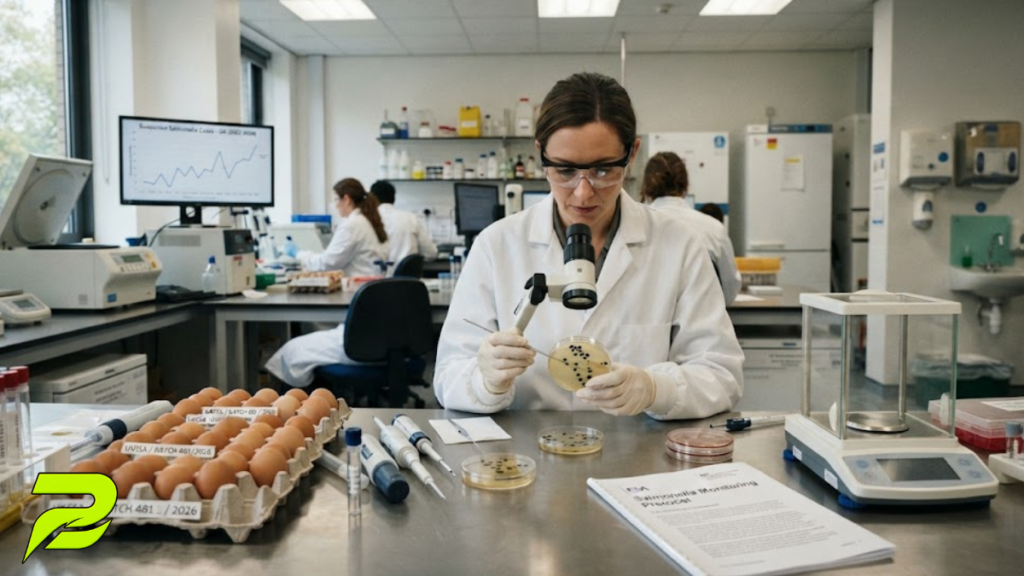
Salmonella activity was elevated in early 2026, but the figures should not automatically be described as an egg outbreak. Provisional UKHSA data show 2,020 confirmed non-typhoidal Salmonella laboratory reports in England during the first quarter of 2026, compared with 1,588 in the same quarter of 2025 — a 27.2% increase.
For anyone following UK egg Salmonella cases, the distinction matters: those 2,020 reports cover Salmonella from all recognised sources. The published data do not attribute them all to eggs.
UKHSA also uses whole-genome sequencing and laboratory surveillance to detect clusters and investigate whether cases share a common source. This helps public-health teams separate a genuine food-linked outbreak from a broader rise in infections.
Why Can Eggs Carry Salmonella?
Salmonella bacteria can cause food poisoning, and eggs may occasionally become contaminated on the shell or before the shell is fully formed. If contaminated egg is eaten raw or insufficiently cooked, bacteria may survive.
Salmonella Enteritidis is particularly relevant to UK egg Salmonella cases because it has long been associated with laying hens and eggs. In England in 2025, it remained the most commonly reported Salmonella serovar, with 3,104 laboratory reports.
Risk is affected by the whole supply chain: flock health, vaccination, testing, packing standards, storage, transport, kitchen hygiene and cooking all play a part.
What Does the British Lion Mark Mean?
For shoppers concerned about UK egg Salmonella cases, the British Lion mark is a useful reassurance. The scheme includes controls such as vaccination of hens against key Salmonella strains, traceability, testing and audited production standards.
Food Standards Agency guidance allows raw or lightly cooked eggs to be eaten by most people, including many vulnerable groups, when the eggs carry the British Lion mark or are produced under the Laid in Britain assurance scheme. People who are severely immunocompromised may still need to avoid raw or lightly cooked eggs.
If you are using eggs without one of these recognised assurance marks, especially for a young child, older adult or someone with reduced immunity, thoroughly cooking the white and yolk is the more cautious option.
Symptoms to Watch For
Most UK egg Salmonella cases cause symptoms similar to other forms of food poisoning. Common signs include diarrhoea, stomach pain, nausea or vomiting, fever and generally feeling unwell. Symptoms can begin within hours or a few days of eating contaminated food.
Most people recover without specific treatment. The main concern is often dehydration, so the NHS recommends drinking plenty of fluids, resting and eating when you feel able.
Contact NHS 111 if you cannot keep fluids down, have bloody diarrhoea, develop significant dehydration, continue vomiting for more than two days, or have diarrhoea for more than seven days. Babies and young children with dehydration signs need prompt advice.
Who Is Most at Risk?
Anyone can catch Salmonella, but young children, older adults and people with weakened immune systems face a greater risk of serious illness or complications.
That makes UK egg Salmonella cases especially relevant in households with vulnerable family members. The right response is not to panic or stop buying eggs. It is to choose carefully, handle raw egg properly and seek medical advice sooner when warning signs appear.
How to Reduce the Risk at Home
The safest response to UK egg Salmonella cases begins with ordinary kitchen habits. Check egg packaging and shells for recognised assurance marks, avoid badly cracked eggs and follow the storage and best-before guidance on the box.
Wash your hands with soap and water before and after handling raw egg, and clean utensils and worktops that may have been contaminated. Cross-contamination can move bacteria from raw food to hands, bowls, cutlery and ready-to-eat foods. UKHSA recommends thorough handwashing and avoiding kitchen cross-contamination to help prevent gastrointestinal infection.
If you are cooking for someone at higher risk and are unsure about the egg source, cook it thoroughly rather than serving a runny yolk or raw-egg dish.
Should You Stop Eating Eggs?
No. The evidence on UK egg Salmonella cases does not justify avoiding eggs altogether. What it does support is paying attention to provenance, assurance marks, recalls and food-safety advice.
The 2025 outbreak strongly linked to imported eggs shows that supply-chain differences can matter. At the same time, total Salmonella statistics include many infections unrelated to eggs, so every Salmonella headline should not be treated as an egg warning.
If the Food Standards Agency issues a recall affecting a particular egg product or batch, follow the recall instructions. The FSA maintains current food recall and safety alert information for consumers.
Conclusion
The latest evidence on UK egg Salmonella cases deserves attention, but it also needs context. England recorded a decade-high 10,406 laboratory reports of Salmonella in 2025, yet only part of that total was egg-related. The clearest recent egg outbreak involved 122 confirmed Salmonella Enteritidis cases strongly linked to imported eggs, with 12 reported hospital admissions and no reported deaths.
For most households, sensible precautions are enough: choose eggs from recognised assurance schemes where possible, prevent cross-contamination, handle raw egg carefully and cook appropriately for the person you are feeding. Staying informed about UK egg Salmonella cases is useful; assuming every egg is dangerous is not.
Frequently Asked Questions
Are there currently UK egg Salmonella cases?
Yes. Recent official data include egg-linked cases, most notably a 2025 outbreak of 122 confirmed Salmonella Enteritidis cases strongly associated with imported eggs. The higher overall Salmonella figures seen in early 2026 are not all egg-related.
Were British eggs responsible for the major recent outbreak?
No evidence in the published UKHSA table identifies British-produced eggs as the source of the 122-case outbreak; the food vehicle is listed as imported eggs.
Are runny eggs safe to eat in the UK?
Generally, raw or lightly cooked eggs carrying the British Lion mark, or produced under the Laid in Britain scheme, are suitable for most people under FSA advice. Severely immunocompromised people may need stricter precautions.
What are the first signs of Salmonella?
Diarrhoea, stomach pain, sickness, vomiting, fever and feeling unwell are common symptoms. Food-poisoning symptoms usually begin within hours or a few days of eating contaminated food.
When should I contact NHS 111?
Call NHS 111 if you cannot keep fluids down, have bloody diarrhoea, continue vomiting for more than two days, have diarrhoea for more than seven days, or show significant signs of dehydration.